
Quick Summary
Many B2B data platforms, including ZoomInfo, focus on scale and AI features but rarely provide field-level transparency, verification methodology, or decay modeling. Lead411 fills these gaps by offering verified emails, direct dials, confidence scoring, and actionable intent signals. This article answers the technical accuracy questions ZoomInfo doesn’t want to answer themselves.
ZoomInfo B2B Data Accuracy Questions Answered
While ZoomInfo is widely used for B2B sales and marketing data, many technical questions about their data accuracy, refresh cycles, and field-level verification remain unclear. Understanding these gaps helps teams make better decisions and compare options when sourcing reliable contacts.
Verification Methodology
What percentage of ZoomInfo records are verified by humans vs. automation?
ZoomInfo does not disclose exactly how many records are human-verified versus automated. Users may not know which contacts are confirmed or inferred, making it difficult to trust the database fully. Transparency around verification methods is limited, leaving questions about accuracy.
Does ZoomInfo pattern-generate emails or verify them via SMTP?
ZoomInfo does not clearly state whether emails are verified through live SMTP checks or inferred using patterns. Without this information, users can’t gauge bounce risk or email deliverability with confidence.
Are ZoomInfo phone numbers live-tested?
There is no clear guidance on whether ZoomInfo validates phone numbers via live calls or only via automated sources. This makes it difficult to assess the reliability of direct dials or mobile numbers in campaigns.
Refresh & Decay Modeling
What is the average age of ZoomInfo data by field?
ZoomInfo does not provide field-level age for emails, job titles, or company information. Users cannot easily know if a contact’s data is recent or outdated, which is critical for timely outreach.
How frequently does ZoomInfo revalidate records?
The frequency and triggers for ZoomInfo record revalidation are unclear. Users do not know if updates occur after job changes, email bounces, or company growth, leaving uncertainty about data freshness.
What is ZoomInfo’s data decay model?
ZoomInfo does not publicly disclose how it models data decay. There is little visibility into how old or potentially invalid contacts are flagged or removed over time.
Field-Level Accuracy
What is ZoomInfo’s accuracy by field (email, phone, revenue, title)?
ZoomInfo provides overall accuracy claims, but field-level accuracy is not detailed. Users cannot see which specific data points are more reliable, making it harder to prioritize certain fields in outreach.
How does accuracy vary by industry or geography?
ZoomInfo does not break down coverage or reliability by industry, region, or company size. Sales teams cannot determine where gaps may exist, limiting targeting precision.
Does ZoomInfo provide confidence scoring for each field?
ZoomInfo does not offer field-level confidence scores that indicate verification method, recency, or source reliability. This leaves users guessing which contacts are more trustworthy.
Bounce & Deliverability
What is ZoomInfo’s average email bounce rate?
ZoomInfo does not disclose bounce statistics per field or campaign. Without transparency, marketers cannot assess risk to domain reputation or campaign efficiency.
How are ZoomInfo emails validated?
ZoomInfo provides limited information on email validation methods. It’s unclear whether catch-all domains, MX checks, or SMTP verification are applied systematically.
Does ZoomInfo suppress risky email addresses automatically?
There is no clear explanation of how ZoomInfo handles risky emails or suppresses them to protect deliverability, leaving users uncertain about the quality of their campaigns.
Source Attribution
Where does ZoomInfo get its data from?
ZoomInfo lists sources like web scraping, partnerships, and user contributions but does not disclose exact percentages or confidence in each source. This makes it difficult to understand data reliability or weighting.
How does ZoomInfo resolve duplicate records?
ZoomInfo does not clearly explain how duplicates are handled. Users are left uncertain if duplicate contacts are merged properly or if multiple records may exist for the same person or company.
How does ZoomInfo normalize data?
Data normalization procedures are not fully documented. Users may encounter inconsistencies in job titles, company names, and other key fields.
Intent Data
How does ZoomInfo collect intent data?
ZoomInfo describes intent signals broadly but provides few details about collection methodology, thresholds, or filtering, making it hard to gauge signal quality.
How does ZoomInfo reduce false intent positives?
ZoomInfo does not disclose how false positives in intent data are minimized or filtered, leaving uncertainty about signal reliability.
What is ZoomInfo’s decay window for intent signals?
ZoomInfo does not indicate how long intent signals remain valid or how frequently they are refreshed, which can affect the timing of outreach campaigns.
AI & Enrichment
How does ZoomInfo use AI for enrichment?
ZoomInfo mentions AI usage for normalization and contact suggestions but does not explain limits, verification, or risk of AI-generated inaccuracies.
How does ZoomInfo score confidence in AI-enriched data?
ZoomInfo does not provide field-level confidence scores for AI-enriched data, leaving users without a clear way to prioritize higher-quality records.
How accurate is ZoomInfo internationally?
ZoomInfo offers global coverage but does not clearly indicate accuracy by region or compliance with regulations like GDPR or CCPA, leaving uncertainty about international reliability.
Coverage & Suppression
What percentage of the market does ZoomInfo cover?
ZoomInfo promotes database size but does not clarify actionable coverage, leaving users unsure how many contacts are verified and usable for campaigns.
What percentage of ZoomInfo records include direct dials or mobile numbers?
ZoomInfo does not provide clear statistics on direct dial or mobile availability per industry or company size, which impacts outreach success.
How often does ZoomInfo suppress stale records?
ZoomInfo does not explain suppression processes for stale or outdated records, leaving users uncertain if their lists remain current.
Conclusion
ZoomInfo is a powerful B2B data platform, but many technical questions about verification, field-level accuracy, refresh cycles, and intent data remain unanswered. Knowing these gaps is crucial for sales and marketing teams to make informed decisions. Comparisons to alternatives like Lead411 show how additional transparency and verification can fill these gaps.
The Highest Quality Data at your Fingertips
Number of Contacts
Number of Companies Worldwide
Searchable Technologies
Growth Intent Trigger Topics
Why Choose Lead411?
Our sales intelligence tracks key company events that indicate spending and growth. Sell into companies at the perfect time and get to your R.O.I quicker. Access Unlimited B2B Data with zero limitations.
Quality Data
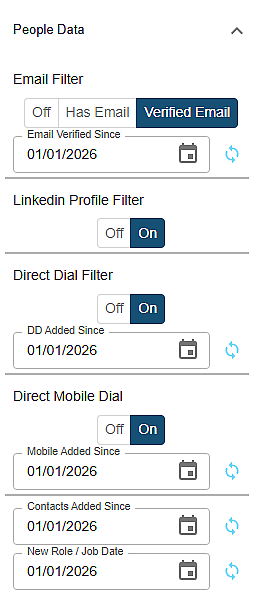
The Only Provider With Triple Verified Emails
Email Verification
Live A.I. Research
Re-Verification Schedule
Phone Numbers
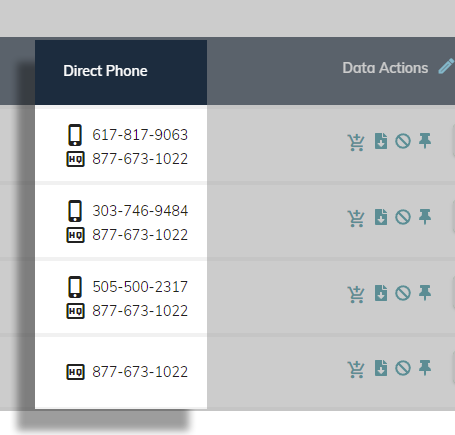
Double Verified Direct Dials
Phone prospecting is one of the more labor-intensive activities in the space. Dialing to numbers that are out of date, general information lines or incorrect is not only ineffective, but it's also incredibly frustrating. You can change all of that. Be more successful with Lead411's double verified b2b direct dials.
Human Verified
Location Match
You're In Good Hands




Millions of leads produced for thousands of happy customers.












Success Stories

Great product and value

Search for people or businesses globally

Great information


Lead411 for a decade

Lead411 is an essential part of my business

Lead411 - Contact Information for any industry

Millions of leads at your disposal

Better than Seamless

Integrating with Lead411 can automate processes for marketers