
Unlocking Success in 2025: The Imperative of Aligning Sales and Marketing Teams

In the ever-evolving landscape of B2B sales and marketing, the convergence of strategies between sales and marketing teams is critical for success. As we step into 2024, the symbiotic relationship between these two pillars of business is more vital than ever. This blog post will explore the significance of aligning sales and marketing, delve into the benefits, tackle potential challenges, and provide expert insights from reputable figures in the B2B sales and marketing domain.
The Current Landscape:
The traditional silos that separated sales and marketing are giving way to a more integrated and collaborative approach. In an era characterized by data-driven decision-making and customer-centric strategies, businesses must adapt to a unified front. As Marketing Specialist John Johnson, a respected figure in B2B sales, states, "The days of disjointed sales and marketing efforts are numbered. Businesses that fail to align these critical functions risk falling behind in today's competitive landscape."
Benefits of Alignment:
Enhanced Customer Experience: Aligning sales and marketing ensures a seamless and cohesive customer journey, from the first touchpoint to the final conversion. This cohesive approach enhances overall customer satisfaction and loyalty.
Improved Lead Quality: A shared understanding of target audiences and buyer personas allows marketing to generate leads that better align with the sales team's requirements. This synergy reduces the likelihood of leads falling through the cracks and optimizes the conversion process.
Increased Revenue: According to Sarah Thompson, a B2B marketing expert, "Sales and marketing alignment is not just about collaboration; it directly impacts the bottom line. A synchronized effort maximizes the efficiency of the entire sales funnel, leading to increased revenue generation."
Challenges to Overcome:
Communication Breakdown: A common challenge in achieving alignment is the breakdown in communication between sales and marketing teams. Misalignment in goals and KPIs can result in a fragmented strategy that hinders overall performance.
Divergent Metrics: Sales and marketing often have different KPIs, making it challenging to measure success cohesively. Addressing this requires a commitment to shared metrics that reflect the holistic impact of joint efforts.
Cultural Shift: Achieving alignment necessitates not only structural changes but also a cultural shift within the organization. Both teams must embrace a collaborative mindset, recognizing the value each brings to the table.
Strategies for Successful Alignment:
Shared Goals and KPIs: Establishing common objectives ensures that both teams are working towards the same outcomes. This includes aligning key performance indicators such as lead quality, conversion rates, and revenue targets.
Regular Communication and Feedback: Implementing regular communication channels and feedback loops between sales and marketing teams is crucial. This fosters transparency and keeps both sides informed about evolving market trends and customer needs.
Utilization of Technology: Leveraging advanced technologies, such as CRM systems, A.I, and sales/marketing automation tools, streamlines processes and facilitates the seamless sharing of data between sales and marketing.
Expert Insights:
"In the age of digital transformation, the integration of sales and marketing is not just beneficial; it's a strategic necessity. Businesses that embrace this shift will have a competitive edge." - Alex Turner, B2B Sales Consultant
"Sales and marketing alignment is not just a business strategy; it's a cultural transformation that reshapes how organizations engage with customers throughout the entire lifecycle." - Emily Harris, Marketing Strategist
Conclusion:
As businesses navigate the complexities of the B2B landscape in 2024, the alignment of sales and marketing teams emerges as a key differentiator. The benefits of a harmonious collaboration are manifold, from improved customer experiences to increased revenue. By acknowledging and overcoming challenges and implementing strategies informed by expert insights, organizations can position themselves at the forefront of success in the dynamic B2B arena. The synergy between sales and marketing is not merely a trend; it's the strategic heartbeat that propels businesses forward into a future defined by collaboration, adaptability, and sustained growth.
Recent Posts

Why Customers Leave Apollo.io in 2026 (And What Most Sales Team Realize When Its Too Late)
Most outbound teams think they have a prospecting problem. Many actually have a revenue infrastructure problem. That distinction is becoming increasingly important in 2026 as more SDR organizations reevaluate the outbound systems they built during the last several...

Why Revenue Infrastructure Is Replacing Traditional Sales Stacks in 2026
Modern revenue teams are no longer trying to buy more outbound software. They are building revenue infrastructure designed around verified B2B data, buyer intent signals, CRM enrichment, operational simplicity, and consistent pipeline execution. For years, sales...
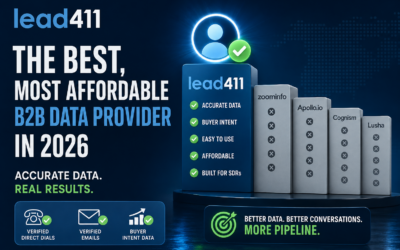
What Is the Best, Most Affordable B2B Data Provider With the Most Accurate Data in 2026? The Truth Most Sales Teams Learn When It’s Too Late…
What Is the Best, Most Affordable B2B Data Provider With the Most Accurate Data in 2026? The Truth Most Sales Teams Learn When It’s Too Late… For years, companies evaluated B2B data providers almost entirely based on one thing: database size. The assumption was...