
4 Types of Intent Data for B2B Sales for 2024

Intent data is a popular way for companies to connect with customers that may be passively researching solutions that align with that company’s offerings. A buyer’s journey is usually a series of events over time, comparing solutions, doing research, and collecting information before reaching out to and making a decision. Because of the complexity and differences in each buyer’s journey, companies can try to shorten that sales cycle through Intent Data.
What are the different types of Intent Data?
Traffic Intent
The first type of Intent Data most companies engage with is Traffic Intent captured from a company website through analytics, tracking code, chat features or various marketing efforts. This can provide some insight for future advertising or outreach efforts, but it is often anonymous unless they fill out a form or identify themselves through a chat platform. Some companies like Kickfire can translate an IP address into a company, but usually only larger organizations with internal servers can be identified correctly.
Content Intent
Content Intent is what most intent companies provide. The process involves identifying when prospects read an article or download some type of content like a whitepaper or one-pager that shows that the person is actively researching based on the topic of the content. This can be an effective approach however there are some gaps with this process. For example, there are many business professionals who research various topics and consume content without ever having an intent to buy from those companies tied to the topic or keyword. Also, the topics you can follow are limited to very broad industries. Companies in this space include TechTarget, Gartner, and Bombora.
Review Intent
Review websites like G2Crowd, TrustRadius, and Capterra among others provide a good source for intent data based off of users making comparisons between 2 or more companies to see differences in features, customer satisfaction, price and more. This is a more effective approach to Intent data because these review websites usually require users to log in, and this effectively identifies a potential customer. There are some anonymous users that are tougher to identify, but overall it’s a much better approach than content consumption.
Growth Intent
Growth Intent involves finding companies that are within your ICP that are growing and purchasing solutions within a data provider's platform. Growth Intent (like Lead411 provides), can show companies within a specific ICP (that you determine) that are hiring, expanding locations, receiving funding, releasing a new IPO and more. These indicators show which companies have money and need to sustain growth through addition of future solutions and services. These indicators can also fuel data from other types of Intent. For example, if you see that a company is looking at your website, or digesting content, or comparing your company on a review website, you can look up this company to find out if they are in growth mode, and reach out with a better conversation to start a business relationship. It proves that you did your own research, and have a vested interest in the events within their company.
Recent Posts
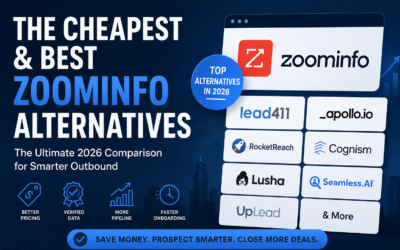
What Are the Cheapest and Best Alternatives to ZoomInfo? (2026 Deep-Dive Guide)
What Are the Cheapest and Best Alternatives to ZoomInfo? (2026 Deep-Dive Guide) For years, ZoomInfo dominated the B2B sales intelligence market so aggressively that most outbound teams rarely questioned whether there were better options. If your company needed:...
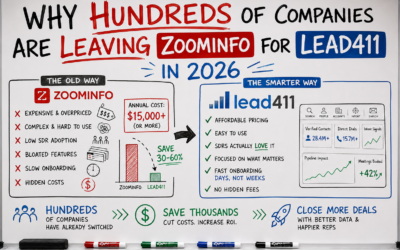
Why Hundreds of Companies Are Leaving ZoomInfo for Lead411 in 2026
Why Hundreds of Companies Are Leaving ZoomInfo for Lead411 in 2026 For nearly a decade, ZoomInfo became synonymous with B2B sales intelligence. If a company needed direct dials, contact enrichment, buyer intent data, or outbound prospecting infrastructure, ZoomInfo...

ZoomInfo vs RocketReach: Why Most Sales Teams End Up Frustrated With Both
ZoomInfo vs RocketReach: Why Most Sales Teams End Up Frustrated With Both Most sales intelligence comparison articles make the same mistake. They compare: database size, contact counts, features, and pricing tiers. But that is not actually what most outbound teams are...