
How does Zoominfo get their data?
Before we delve into the ethical concerns surrounding ZoomInfo, it’s crucial to understand how they gather their data. The company primarily relies on web scraping, scraping address books of their customers, and public information mining to create comprehensive profiles of individuals and businesses. They crawl websites, scour social media platforms, and extract data from email signatures and public sources. While this method may be legally sound, it raises several ethical dilemmas.
One of the most significant ethical questions revolves around the concept of public information. ZoomInfo argues that they only collect data that is publicly available. But what does “public” truly mean in the digital age? Information that was once relatively hidden in the depths of the internet can now be aggregated and made easily accessible. The line between public and private data has become increasingly blurry. In addition, some ethical concerns have been raised around scraping their own customers email inboxes, signatures, and address books without the expressed consent of those contacts within the inbox and address books.
ZoomInfo’s data collection also brings up additional concerns about consent and control. Individuals and businesses often have little say in whether their data is included in ZoomInfo’s database. While ZoomInfo provides opt-out mechanisms, many people are unaware of the company’s existence or the fact that their data has been collected. This lack of awareness can erode individuals’ control over their own information.
Maintaining data accuracy is a Herculean task, and even giants like ZoomInfo can stumble. The data they collect might be outdated, incorrect, or misleading. Businesses and individuals can suffer significant consequences when decisions are based on inaccurate information. Ethical concerns arise when such inaccuracies impact people’s lives and livelihoods.
Another ethical question revolves around transparency and accountability. ZoomInfo claims to take privacy and data protection seriously. They have measures in place to verify the accuracy of the information they collect and allow individuals to opt out. However, are these measures enough? Transparency about data collection practices and rigorous accountability mechanisms are crucial for building trust.
The power dynamic between data collectors like ZoomInfo and individuals is another concern. While ZoomInfo profits from data aggregation, individuals often receive no compensation for the use of their personal information. This power imbalance raises questions about fairness and equity in the data economy.
In conclusion, ZoomInfo’s data collection practices sit on an ethical tightrope. On one hand, they argue that they’re simply aggregating publicly available data. On the other hand, concerns about privacy, consent, accuracy, transparency, and power imbalances highlight the ethical complexities of their operations.
Ethical standards and regulations must evolve to protect individuals’ rights in this digital age, ensuring a fair balance between data-driven business interests and individual privacy and dignity.
Recent Posts
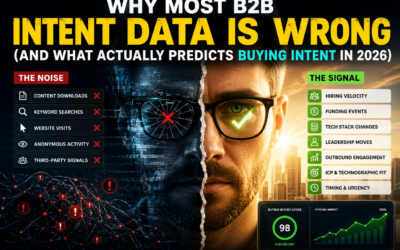
Why Most B2B Intent Data Is Wrong (And What Actually Predicts Buying Intent in 2026)
Why Most B2B Intent Data Is Wrong (And What Actually Predicts Buying Intent in 2026) Quick Summary B2B intent data has become one of the most overhyped categories in outbound sales. Nearly every sales intelligence platform now claims to identify “in-market...
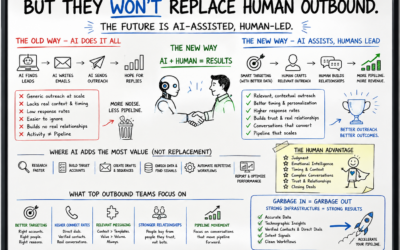
Why AI SDRs Won’t Replace Human Outbound Teams in 2026
Why AI SDRs Won’t Replace Human Outbound Teams in 2026 Quick Summary AI SDR tools are exploding across the sales industry. Automated outbound systems can now generate prospect lists, write cold emails, personalize messaging, trigger workflows, and manage...
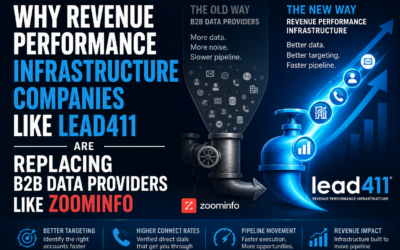
Why Revenue Performance Infrastructure Companies Like Lead411 are Replacing B2B Data Providers like Zoominfo
Why Revenue Performance Infrastructure Companies Like Lead411 Are Replacing B2B Data Providers Like ZoomInfo Quick Summary The B2B data industry is evolving beyond static databases. For years, providers competed by claiming larger datasets, more...