
Leveraging Behavioral Data for Predictive Lead Scoring in 2025 | Lead411
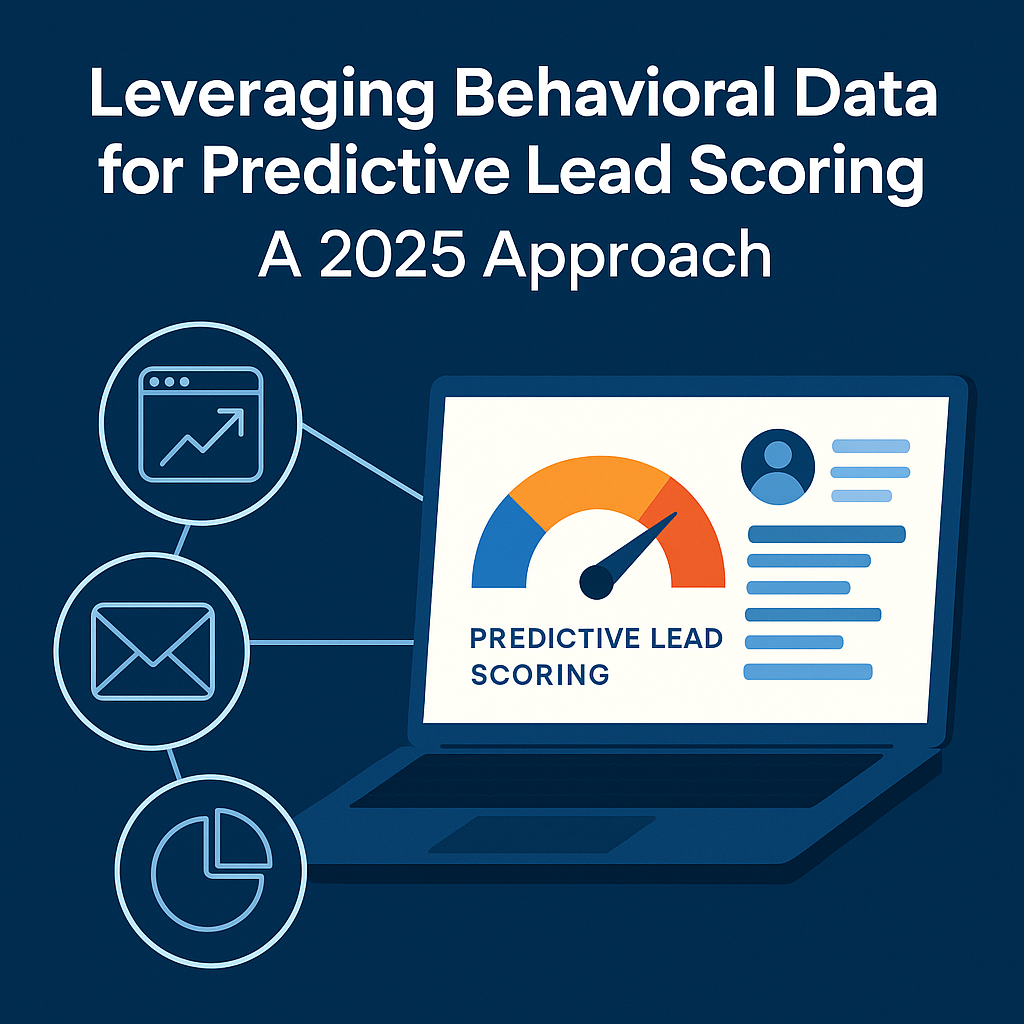
Learn how predictive lead scoring powered by behavioral data can help your B2B sales team prioritize high-intent leads, increase conversions, and accelerate revenue growth.
What is Behavioral Data in Lead Scoring?
Behavioral data refers to the actions prospects take as they engage with your business. Examples include:
- Website interactions: page visits, time spent on site, content downloads
- Email engagement: opens, clicks, replies
- Social media activity: likes, shares, comments, profile visits
- Webinar or event attendance
- Content consumption patterns: whitepapers, eBooks, case studies
Unlike firmographic data, behavioral data signals intent, giving early indicators that a lead is evaluating solutions like yours.
Why Predictive Lead Scoring is a Game-Changer
Predictive lead scoring combines historical data, AI, and behavioral insights to prioritize leads most likely to convert. Benefits include:
- Identify high-intent leads: Focus on prospects showing strong buying signals
- Optimize sales outreach: Allocate resources efficiently for maximum ROI
- Improve conversion rates: Reduce wasted effort on low-quality leads
Companies using predictive lead scoring see measurable improvements in sales efficiency and pipeline velocity.
How to Collect and Analyze Behavioral Data
Follow these steps to leverage behavioral data effectively:
- Website tracking: Monitor pages visited, downloads, and time spent using tools like Lead411, HubSpot, or Marketo.
- Email engagement: Track opens, clicks, and responses to measure interest.
- Social listening: Observe interactions on LinkedIn, Twitter, and niche communities.
- CRM integration: Merge behavioral insights with CRM data to create a complete view of your prospects.
Analyze patterns to identify actions that indicate true buying intent, such as frequent visits to product or pricing pages.
Integrating Behavioral Data into Predictive Lead Scoring Models
- Assign points to behaviors: Weight actions based on buying intent (e.g., webinar attendance = high points).
- Combine with firmographics: Merge behavioral and traditional data for a comprehensive view.
- Leverage AI & machine learning: Detect complex patterns and update lead scores in real-time.
- Regular updates: Refresh models frequently to reflect changing behaviors and intent.
Real-World Examples of Success
- SaaS Company A: Integrated website and email behavioral data, increasing MQL-to-SQL conversions by 35% in three months.
- B2B Tech Firm B: Used LinkedIn engagement and content downloads to prioritize leads, improving sales efficiency by 27%.
Best Practices for 2025
- Focus on intent, not just activity
- Regularly audit data for accuracy
- Combine predictive scoring with personalized outreach
- Monitor key metrics: conversion rates, engagement frequency, and pipeline velocity
Conclusion
In 2025, behavioral data is no longer optional—it’s a critical differentiator for B2B sales teams. Predictive lead scoring powered by behavioral insights allows businesses to:
- Prioritize leads effectively
- Optimize sales resources
- Increase conversion rates
- Accelerate revenue growth
By integrating behavioral data into predictive lead scoring, your team can focus on the leads that truly matter and stay ahead in a competitive B2B landscape.
Frequently Asked Questions (FAQ)
Predictive lead scoring uses artificial intelligence and historical sales data to identify which leads are most likely to convert. It analyzes multiple data points—such as behavioral, demographic, and firmographic information—to assign a score that helps sales teams prioritize their outreach.
Behavioral data tracks how prospects interact with your brand—such as website visits, email engagement, or content downloads. When integrated into predictive models, it reveals real-time intent, allowing sales teams to focus on leads showing strong buying signals instead of relying solely on static information.
- Website page views and time spent
- Email opens and click-through rates
- Social media interactions
- Webinar or event attendance
- Content downloads such as eBooks or whitepapers
These activities indicate genuine engagement and interest in your solution.
Popular platforms include Lead411, HubSpot, Salesforce, and Marketo. These tools can track engagement across multiple channels and integrate directly with your CRM, making it easy to centralize and analyze lead behavior data for more accurate scoring.
To stay accurate, predictive lead scoring models should be reviewed and refreshed at least quarterly. This ensures they reflect current market conditions, updated buyer behaviors, and new customer acquisition patterns.
Yes—but not as effectively. Traditional scoring systems rely on static rules or manual weighting, while AI-driven models automatically learn from historical outcomes and behavioral trends to improve accuracy over time.
Firmographic data describes who the lead is (industry, company size, revenue, role), while behavioral data shows what the lead does (clicks, downloads, visits). Combining both provides a complete picture of intent and conversion potential.
- Increased efficiency by focusing on high-quality leads
- Improved conversion rates
- Reduced time spent on low-intent prospects
- Higher revenue growth and pipeline velocity
- Better alignment between marketing and sales teams
Begin by integrating behavioral tracking into your CRM and identifying which actions most often precede conversions. Then, use a predictive scoring platform like Lead411 to analyze those behaviors and automatically assign scores to new leads.
Absolutely. Predictive lead scoring isn’t just for enterprise companies—modern AI tools make it affordable and accessible. Even smaller teams benefit from focusing on the leads most likely to close, resulting in better ROI on marketing and sales efforts.
Recent Posts

The Hidden Struggle of Cancelling a B2B Data Contract: Why Some Companies Make it Hard to Leave
When investing in a B2B data contract, businesses expect high-quality leads, seamless integrations, and reliable support. However, what many don’t anticipate is the difficulty of canceling a contract when the service no longer meets their needs. Some of the biggest...

B2B Data FAQ Analysis: Frequently Asked Questions about Lead411
Data Pricing and Cost Cost considerations are a significant factor for businesses evaluating B2B data services. "What pricing models does Lead411 offer?" Lead411 offers tiered subscription plans to accommodate various business needs. The Spark monthly plan includes...
How to Use Predictive Analytics to Improve Your B2B Lead Scoring and Prospecting
Stop chasing dead-end leads! Predictive analytics can help you focus on the prospects most likely to convert. Learn how to supercharge your B2B lead scoring and sales strategy today. What Is B2B Lead Scoring? 🤔 B2B lead scoring is the process of ranking prospects...