Why LinkedIn InMail Messages Are Often Ignored (And How to Boost Your Outreach with Email and Phone Calls)
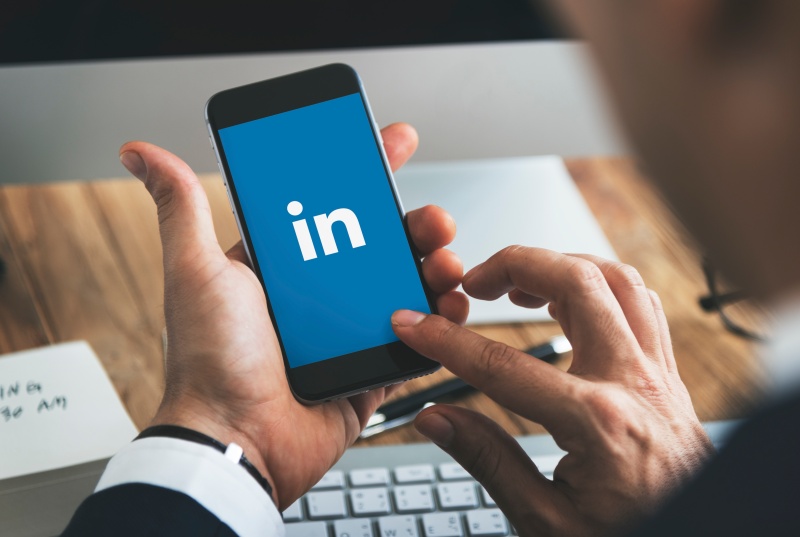
If you’ve ever sent a LinkedIn InMail and felt like it vanished into a black hole, you’re not alone. Many professionals find that their InMail messages go unread or unanswered. It's time to dive into why LinkedIn InMail often doesn’t get the attention it deserves and explore why email and phone calls might be your better bet for successful outreach.
Why LinkedIn InMail Isn’t Getting Read
1. Message Overload
LinkedIn users frequently get flooded with messages, connection requests, and notifications. This constant influx can lead to message overload, making it easy for your InMail to get buried under a pile of other communications.
2. Impersonal Touch
Many InMails come across as generic or templated. When messages don’t address the recipient’s specific needs or interests, they can easily be dismissed. Personalization is key to standing out.
3. Visibility Issues
LinkedIn’s notification system can make InMails less noticeable. Unlike email, where messages land directly in the inbox, InMails can get lost among other updates and notifications.
4. Caution Around Unsolicited Messages
Professionals are often cautious about unsolicited messages, especially if they seem too salesy or irrelevant. LinkedIn users are particularly wary of interactions that feel opportunistic.
Why Email and Phone Calls Are More Effective
1. Email: Direct and Personal
Emails go straight to the recipient’s inbox, making them more likely to be seen and read. With a well-crafted subject line and personalized content, your email can capture attention more effectively. Tailor your message to the recipient’s specific needs and interests to make a stronger impact. Some people are not as active on Linkedin as they are on their business email accounts, as most professionals check their email everyday, and their linkedin 2-3 times a week on average.
2. Phone Calls: The Personal Touch
A phone call provides a personal connection that digital messages can’t match. It allows for real-time interaction, letting you address questions, clarify points, and build rapport instantly. Although it may seem daunting, a phone call can be a powerful way to make a memorable impression. It can be tough to get an answer, but once they pickup, the message is much easier to translate.
3. Less Competition for Attention
Compared to the crowded LinkedIn inbox, email and phone calls often face less competition. With fewer people using these channels for professional outreach, your message is more likely to stand out.
4. Building Trust and Credibility
Personalized emails and phone calls can help build trust and establish credibility. When you take the time to engage directly and thoughtfully, you demonstrate a genuine interest in the recipient’s needs, which can lead to stronger professional relationships.
Tips for More Effective Outreach
- Personalize Your Communication:
Whether you're sending an email or making a phone call, customize your message to address the recipient’s unique needs and interests - this is just a no-brainer. Show that you’ve done your homework and are genuinely interested in their situation.
- Be Clear and Concise:
Respect the recipient’s time by keeping your message brief and to the point. Clearly state the purpose of your outreach and what you’re offering or requesting.
- Follow Up Wisely: If you don’t get a response right away, don’t be discouraged. Follow up politely and thoughtfully to keep the conversation going, however try and get more creative with your follow up, just simply using "following up" is lazy and too common to deserve attention.
- Use Multiple Channels: Don’t rely solely on one method of communication. Combining email, phone calls, and LinkedIn messages can increase your chances of making a successful connection.
While LinkedIn InMail can be a useful tool, its effectiveness is often limited by message saturation and platform dynamics. Email and phone calls offer more direct and personal ways to engage with your audience. By adapting your outreach strategy and leveraging these alternative channels, you can boost your chances of making meaningful connections and achieving your professional goals.
Recent Posts
Why Customers Leave Apollo.io in 2026 (And What Most Sales Team Realize When Its Too Late)
Most outbound teams think they have a prospecting problem. Many actually have a revenue infrastructure problem. That distinction is becoming increasingly important in 2026 as more SDR organizations reevaluate the outbound systems they built during the last several...

Why Revenue Infrastructure Is Replacing Traditional Sales Stacks in 2026
Modern revenue teams are no longer trying to buy more outbound software. They are building revenue infrastructure designed around verified B2B data, buyer intent signals, CRM enrichment, operational simplicity, and consistent pipeline execution. For years, sales...
What Is the Best, Most Affordable B2B Data Provider With the Most Accurate Data in 2026? The Truth Most Sales Teams Learn When It’s Too Late…
What Is the Best, Most Affordable B2B Data Provider With the Most Accurate Data in 2026? The Truth Most Sales Teams Learn When It’s Too Late… For years, companies evaluated B2B data providers almost entirely based on one thing: database size. The assumption was...